
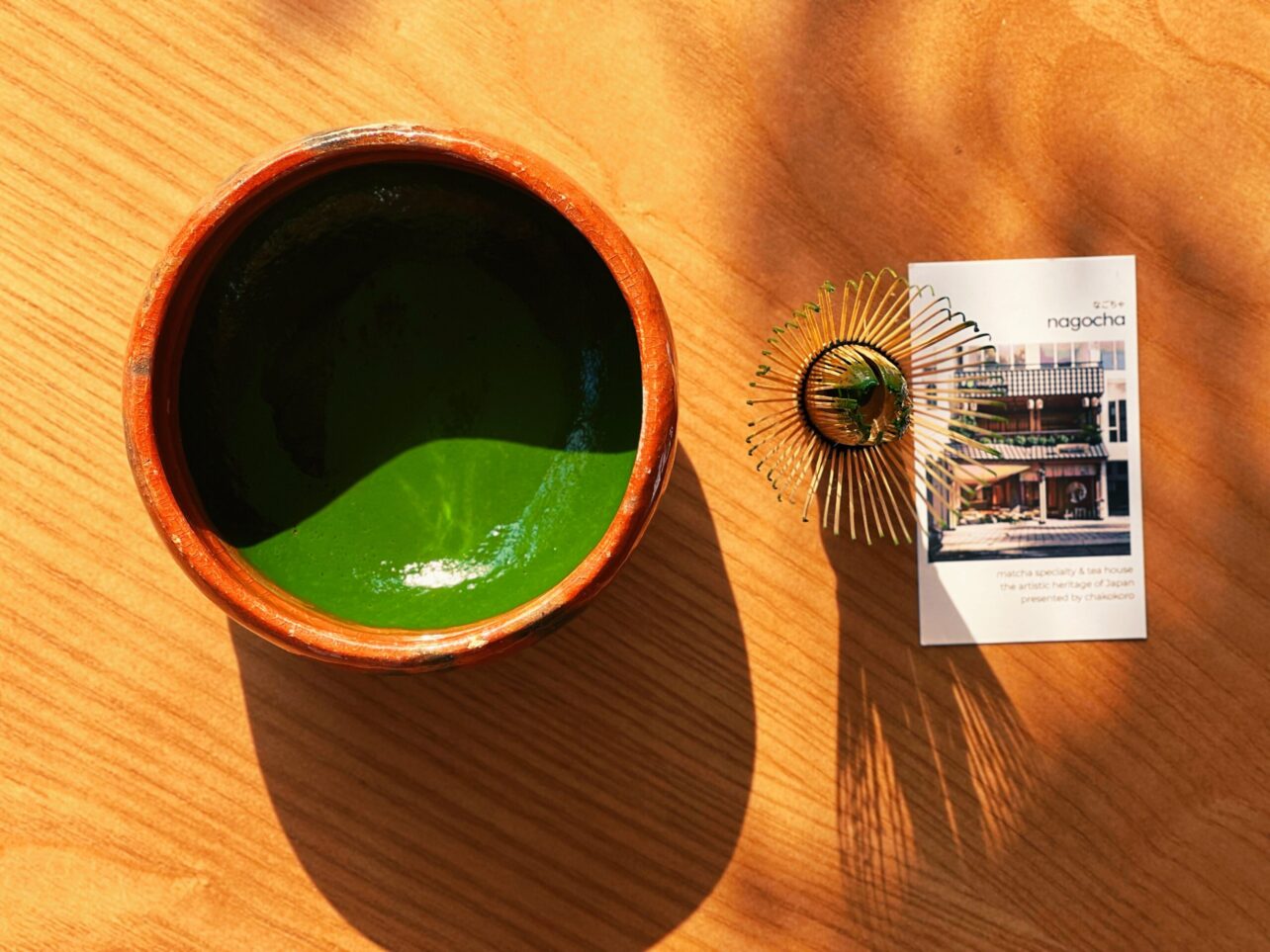
Tea Houses in the Hanoi Old Quarter: A Timeless Cultural Experience
Introduction
The Hanoi Old Quarter in Vietnam is one of the most vibrant and historically rich districts in Southeast Asia. Known for its narrow streets, colonial architecture, and bustling street life, it also offers a quieter, more reflective side through its traditional tea houses. These tea houses are not just places to drink tea—they are cultural spaces where history, hospitality, and daily life blend seamlessly.
The Charm of Tea Culture in Hanoi
Tea drinking in Vietnam is deeply rooted in tradition, and the Old Quarter of Hanoi Old Quarter is one of the best places to experience it. Unlike modern cafés, tea houses here emphasize simplicity, calmness, and meaningful conversation. Many of them are tucked away behind narrow alleys or hidden inside ancient tube houses, offering visitors a peaceful escape from the city’s energetic streets.
Inside these tea houses, time seems to slow down. Wooden furniture, soft lighting, and the gentle aroma of brewed leaves create an atmosphere that invites relaxation. Locals often visit to discuss business, meet friends, or simply enjoy a quiet moment alone.
Traditional Vietnamese Tea Experience
A typical tea house experience in the Old Quarter begins with a warm welcome and a carefully prepared pot of green tea, lotus tea, or jasmine tea. Lotus tea, in particular, is considered a royal delicacy in Vietnam, made by scenting tea leaves with lotus flowers. The process is delicate and reflects the country’s deep respect for nature and craftsmanship.
Tea is often served in small cups, encouraging slow sipping and appreciation of flavor. Unlike Western-style tea culture, where milk or sugar is common, Vietnamese tea is usually enjoyed plain to preserve its natural taste.
A Meeting Point of Generations
One of the most fascinating aspects of tea houses in the Old Quarter is how they bring together people of different ages. Elderly residents often sit beside young professionals, sharing stories, wisdom, and laughter. These spaces act as informal community centers where traditions are passed down naturally.
Many tea houses also host cultural activities such as poetry readings, calligraphy demonstrations, and traditional music performances. These events help preserve Vietnam’s artistic heritage while making it accessible to both locals and tourists.
Modern Influence and Hidden Gems
While tradition remains strong, some tea houses in the Old Quarter have embraced modern design elements. Minimalist interiors, fusion tea menus, and artistic décor attract younger visitors and international travelers. Despite these changes, the core philosophy remains the same—creating a peaceful space for reflection and connection.
Exploring the Old Quarter reveals countless hidden tea spots, each with its own personality. Some specialize in herbal remedies, while others focus on rare tea blends sourced from Vietnam’s highlands.
Conclusion
Tea houses in the Hanoi Old Quarter are more than just places to enjoy a drink—they are living cultural landmarks. They preserve teatimeus.com centuries-old traditions while continuing to evolve with modern influences. For travelers seeking an authentic and calming experience in the heart of the city, these tea houses offer a perfect window into Vietnamese life, hospitality, and heritage.