
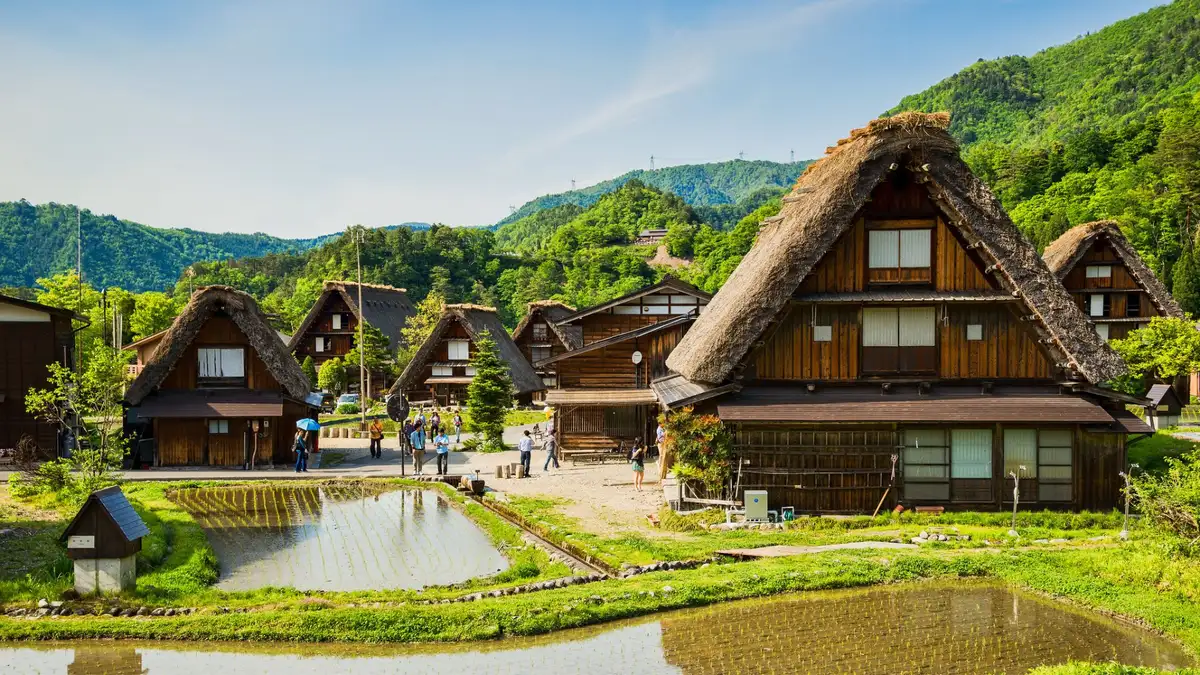
Rural Villages: Life, Culture, and Enduring Traditions
Rural villages represent some of the most authentic and historically rich communities in the world. Unlike modern urban centers filled with rapid development and constant movement, rural villages are often defined by simplicity, tradition, and a close connection to nature. These settlements can be found across continents, from the rice fields of Southeast Asia to the countryside of Europe and the plains of Africa, each carrying its own unique identity and way of life.
A Simpler Way of Life
Life in rural villages is typically slower-paced compared to cities. Most residents rely on agriculture, fishing, or livestock farming as their primary sources of income. Daily routines are often shaped by natural cycles such as sunrise, rainfall, and harvest seasons. This close relationship with nature fosters a strong sense of awareness and appreciation for the environment.
Homes in rural villages are usually built using locally available materials such as wood, bamboo, clay, or stone. While they may lack the modern infrastructure found in cities, these homes often reflect cultural heritage and traditional architectural styles passed down through generations.
Strong Community Bonds
One of the defining characteristics of rural villages is the strong sense of community. People often know their neighbors personally paddyviewresort.com and share deep social connections. Community members frequently help one another during farming activities, celebrations, and even difficult times such as natural disasters or family emergencies.
Festivals and cultural events play an important role in strengthening these bonds. Traditional music, dance, and local cuisine are commonly shared during such occasions, preserving cultural identity and passing traditions to younger generations.
Connection to Nature
Rural villages are usually surrounded by natural landscapes such as mountains, forests, rivers, or farmland. This proximity to nature not only supports agricultural livelihoods but also shapes the lifestyle and values of the residents. Many rural communities practice sustainable living by using natural resources responsibly and maintaining ecological balance.
Wildlife is often more visible in rural areas, and residents develop a deep understanding of local ecosystems. This connection encourages respect for the land and reinforces the importance of environmental conservation.
Challenges Faced by Rural Communities
Despite their beauty and cultural richness, rural villages face several challenges. Limited access to healthcare, education, and modern infrastructure can hinder development. Young people often migrate to cities in search of better job opportunities, leading to population decline in some villages.
In addition, rural economies can be vulnerable to environmental changes such as droughts, floods, and climate shifts, which directly affect agriculture and food production.
Preserving Rural Heritage
Efforts are being made in many countries to preserve rural villages and improve living standards without destroying their cultural identity. Sustainable tourism, agricultural innovation, and infrastructure development are helping to balance tradition with progress.
Rural villages remain vital to global culture and economy. They are not only centers of food production but also living museums of tradition, language, and heritage. Preserving them ensures that future generations can continue to learn from and appreciate these timeless communities.